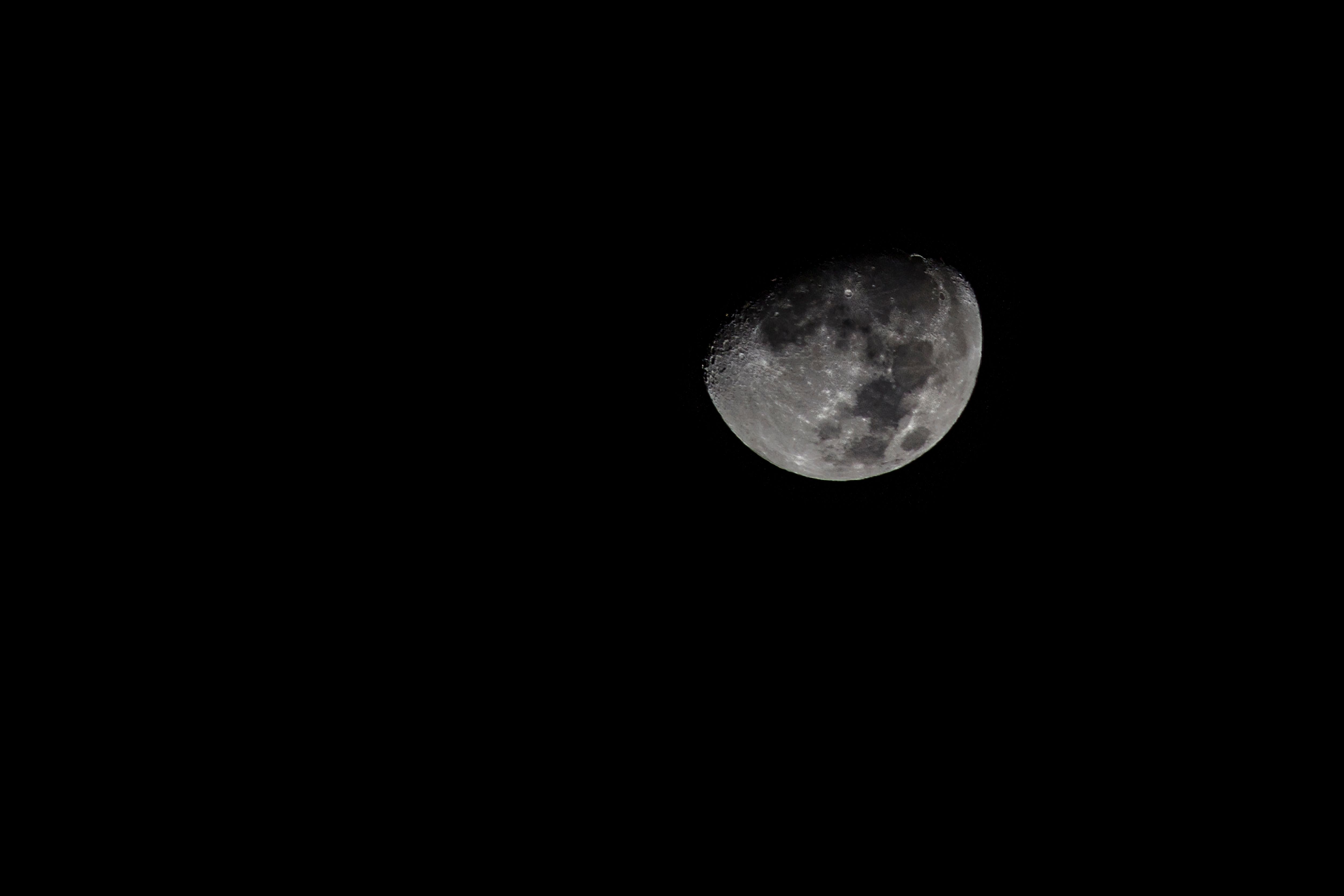
The Moon is a lousy place for a battery. NASA’s new SPEARS prototypes just showed they can keep working at minus 112°F, then survive exposure to temperatures far beyond their operating range without obvious damage.
That does not make them Moon-ready. It does make them more interesting than another laboratory battery with a big number and a distant promise.
The project is called Solid Power for Extreme Environment Adaptability and Resilience in Space, mercifully shortened to SPEARS. NASA announced the latest thermal-vacuum results on October 14, 2026. The goal is a family of solid-state batteries that can power tools, rovers, emergency packs and scientific instruments in places where ordinary lithium-ion cells need a heavy climate-control system just to stay alive.
The temperature numbers need a little translation
NASA tested small prototype cells inside a thermal-vacuum chamber at Langley Research Center in Virginia. The chamber lets engineers combine harsh temperatures with the lack of atmospheric pressure they expect beyond Earth.
| Test condition | Reported result |
|---|---|
| 176°F to minus 76°F (80°C to minus 60°C) | The prototypes operated well. |
| Down to minus 112°F (minus 80°C) | They continued operating with somewhat lower performance. |
| Exposure from 212°F to minus 274°F (100°C to minus 170°C) | The cells did not sustain damage, but they did not operate at the coldest temperature. |
That last distinction matters. The prototype did not cheerfully crank out power at minus 274°F. NASA says solid-state cells still have to be warmed before they can operate after that kind of cold soak. The useful result is survival: the solid electrolyte did not freeze and wreck the cell the way a liquid electrolyte can.
Why a normal battery hates the Moon
Most familiar lithium-ion batteries move ions through a liquid electrolyte. That works beautifully inside a phone, drill or electric car kept within a reasonable temperature window. The lunar south pole does not offer a reasonable temperature window.
NASA says nighttime temperatures there can drop to about minus 328°F (minus 200°C). Sunlit lunar surfaces can reach roughly 212°F (100°C). Cold can freeze a liquid electrolyte and damage the cell. Heat can prevent operation until the battery cools. Vacuum creates another problem because a liquid can evaporate if it is not perfectly contained.
Spacecraft engineers can fight those problems with insulation, radiators, heaters and tightly controlled enclosures. Every piece adds mass, complexity and another thing that can fail. The nastier the environment gets, the more of the machine becomes a support system for the battery instead of useful hardware.
The solid part is the whole trick
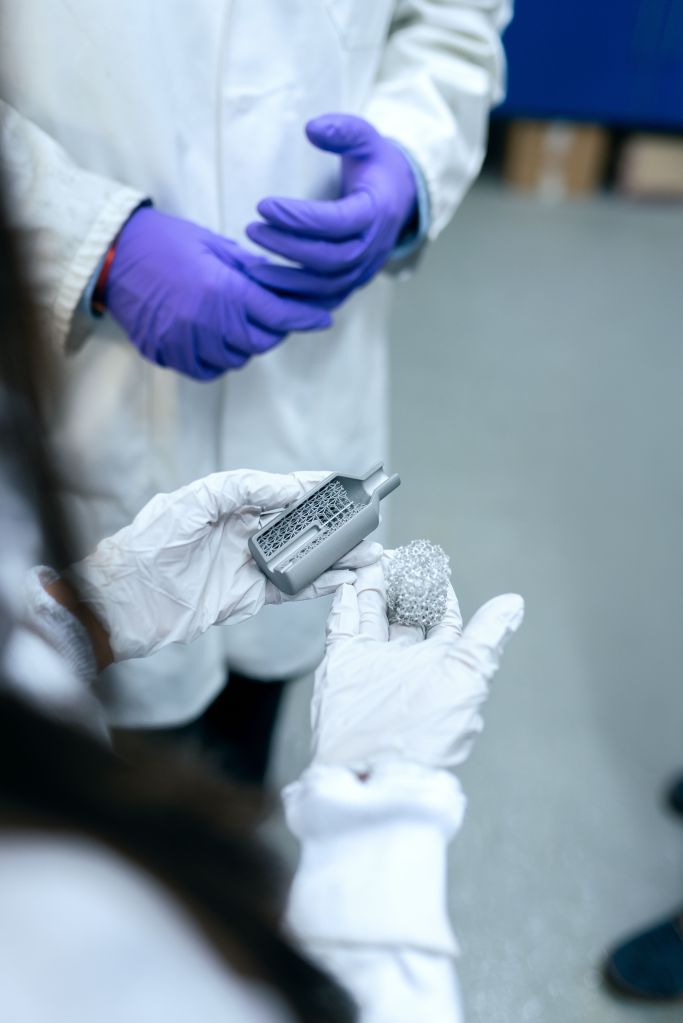
SPEARS replaces the liquid with a ceramic or polymer solid electrolyte. A solid electrolyte does not freeze like a liquid, and there is less material available to leak or evaporate. That gives engineers a better starting point for a battery expected to survive vacuum, heat, deep cold and repeated temperature cycles.
The chemistry is not one fixed recipe. NASA’s team can change electrode materials and tune a cell for energy capacity, power output or durability. A small emergency pack has different priorities than a rover. A drill used inside a permanently shadowed crater needs a different balance again.
The practical advantage could be in the hardware wrapped around the cell. If a battery can spend a cold period dormant, survive it, then wake after a relatively short heater cycle, the vehicle may not need to keep its battery warm every minute. Less continuous heating can mean smaller thermal hardware, lower energy use and less mass hauled from Earth.
What NASA actually has right now
Right now, NASA has small prototype cells and a promising ground test. The project began in 2026 and remains in its early technology-development phase. NASA Ames is working on test boards and electronics that could eventually turn laboratory cells into flight-test hardware.
Several important questions are still open:
- How much usable energy and power can a larger pack deliver?
- How many brutal hot-and-cold cycles can it survive?
- How quickly can a frozen pack be warmed to operating temperature?
- How will vibration, lunar dust and radiation affect the complete system?
- Can it be manufactured consistently enough for crewed missions?
NASA has not announced a lunar flight or an Artemis mission assignment for SPEARS. The honest reading is that the technology cleared an encouraging materials test, not that the Moon finally has its battery.
The Moon will probably need more than one kind of storage
SPEARS is not NASA’s only answer to lunar darkness. Engineers at Glenn Research Center are also testing a much larger regenerative fuel-cell system. That machine stores hydrogen and oxygen, combines them to make electricity, water and heat, then uses outside power to split the water and recharge the system.
The fuel-cell project targets habitats, rovers and other equipment that may need to ride through a dark lunar night lasting nearly two Earth weeks. Solid-state batteries could handle smaller tools, emergency power and shorter bursts. The two technologies solve different pieces of the same ugly puzzle.
That is probably what a real lunar power system will look like: solar generation where sunlight is available, large storage for long dark periods, smaller batteries for mobile equipment and heaters used only where they are worth the energy.
Why this could matter back on Earth
A battery that tolerates harsh cold without permanent damage would be useful well beyond the Moon. NASA points to aircraft, automobiles, phones, communications gear and drones as possible terrestrial directions. Polar equipment, high-altitude instruments, remote sensors and emergency systems are especially obvious candidates.
That part should stay in the possibility column. A rugged coin cell in a chamber is a long way from an affordable commercial battery. Scaling a chemistry can expose cost, manufacturing and lifespan problems that never appeared in the first prototypes.
The cool part
The headline is not that NASA invented a magic battery. It is that the prototype failed in a useful way.
At extreme cold, it stopped being a practical power source. Once warmed, it could come back. That is exactly the behavior engineers want when the alternative is carrying enough insulation and heater capacity to pretend the Moon is not cold.
SPEARS still has years of scaling, cycling and flight qualification ahead. But surviving a 486-degree Fahrenheit exposure range without damage is a solid first argument for keeping the project alive.
Sources
- NASA: SPEARS solid-state battery test results
- NASA: regenerative fuel-cell testing for lunar energy storage
- Engadget: independent summary of the SPEARS announcement
- Pexels license
Image credits
Featured Moon photo by burak kostak on Pexels. Laboratory photo by ThisIsEngineering on Pexels. Pexels permits free use on websites and blogs; attribution is appreciated.

