3D PRINTS · PROJECT OF THE WEEK
Most 3D prints solve a tiny problem. This one attempts to manufacture time.
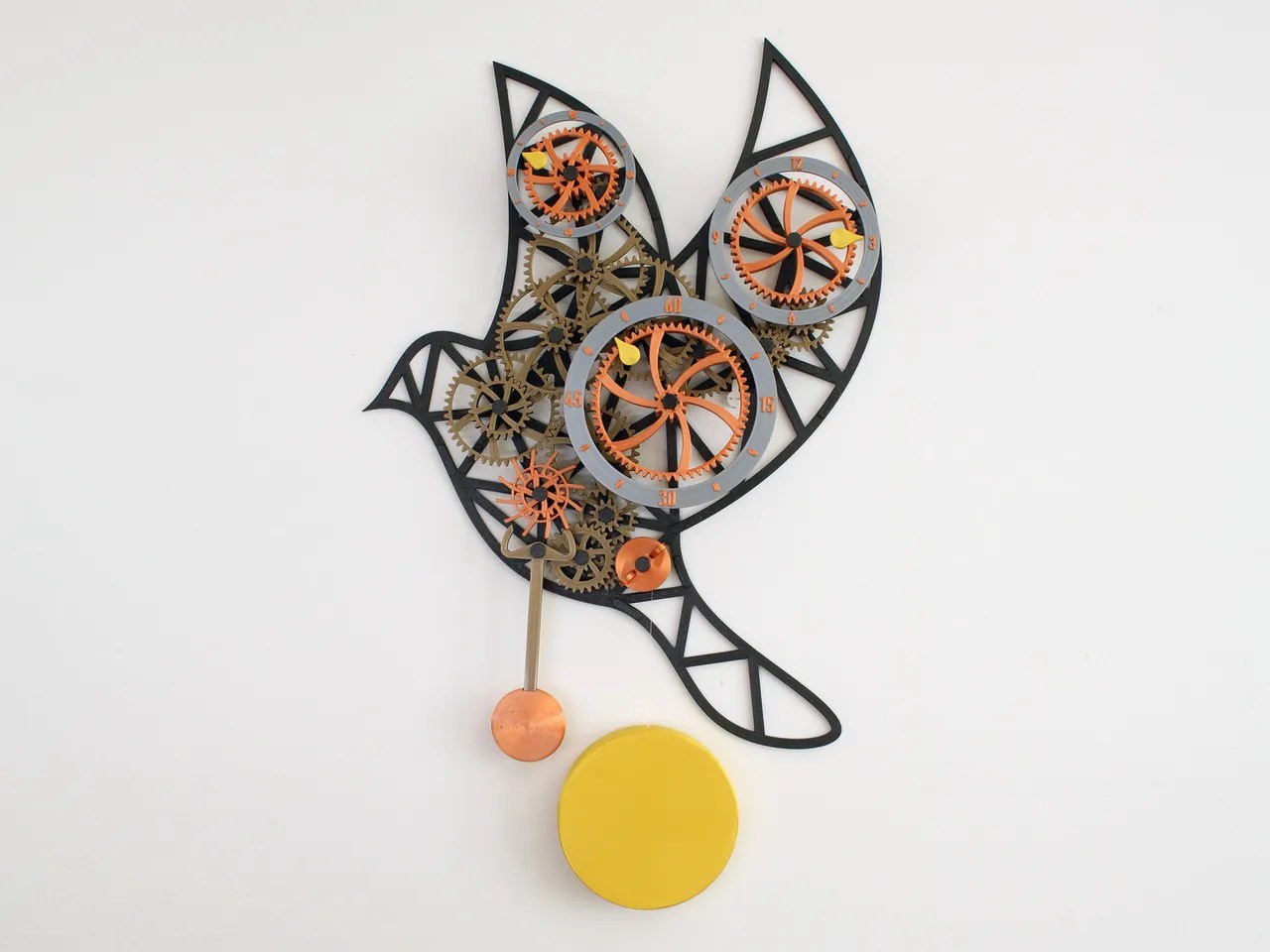
Harald Andersson’s Mechanical Wall Clock is a free downloadable project built around the deeply satisfying idea that visible gears should do actual work. It is not another phone stand, cable clip, or plastic mascot. It is a real mechanical build—and a much better answer to “What should I print next?” if you want a project that involves assembly, adjustment, and patience.
The model currently carries a 4.8 community rating on Printables and appears at the top of the platform’s clock-model listings. That does not make it effortless. It does suggest that plenty of makers have found the trouble worthwhile.
The appeal is all in the mechanism
A mechanical clock makes elapsed time visible. The gear train reduces motion; the escapement meters it out; the pendulum provides a repeating reference; and a suspended weight supplies energy. When it works, the point is not merely knowing whether lunch is late. The point is watching a machine negotiate every second in public.
A printed clock is less convenient than a quartz clock—and approximately a thousand times more interesting.
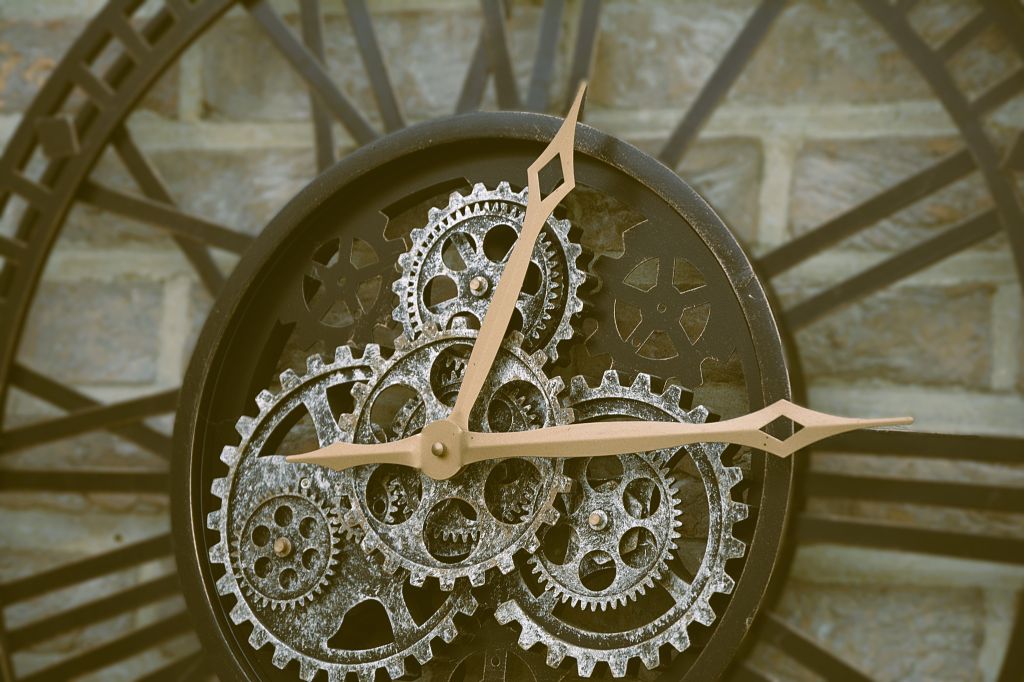
photo by Sem Van Broekhoven on Pexels
This is a project, not a quick print
The sensible way to approach a clock like this is as a small machine rather than one giant print job. Read the designer’s current instructions before slicing anything. Inventory every file. Check whether the assembly needs non-printed hardware, cord, or weight material. Print one meshing pair of gears first if you are unsure about tolerances.
- Calibrate before committing. Dimensional error that is harmless on a planter can become friction in a gear train.
- Keep moving surfaces clean. Elephant’s foot, stringing, and rough seams can turn a clever mechanism into wall art.
- Follow the listed orientation. Strength, surface finish, and hole geometry can all depend on how a part sits on the bed.
- Expect tuning. A pendulum clock is an instrument. Getting it assembled and getting it to keep useful time are separate victories.
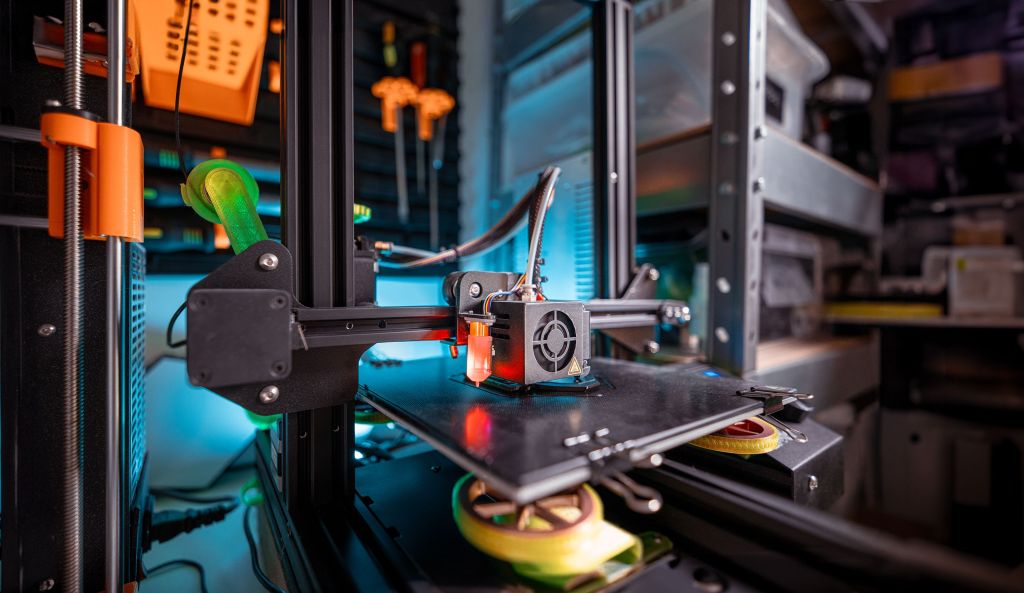
photo by Jakub Zerdzicki on Pexels
Print it because it is gloriously unnecessary
You can buy an accurate wall clock for less money than the filament, hardware, and hours this project may consume. That is not a flaw in the pitch. It is the pitch.
The finished object tells two kinds of time: the hour on its hands and the effort embedded in its parts. It is a mechanism you can point at, explain, adjust, and occasionally swear at. Compared with another decorative trinket, that feels like filament well spent.
If you take it on, download the latest files directly from the designer, read the current build notes, and treat the community makes and comments as part of the manual. Do not assume somebody else’s slicer settings will transfer perfectly to your printer.
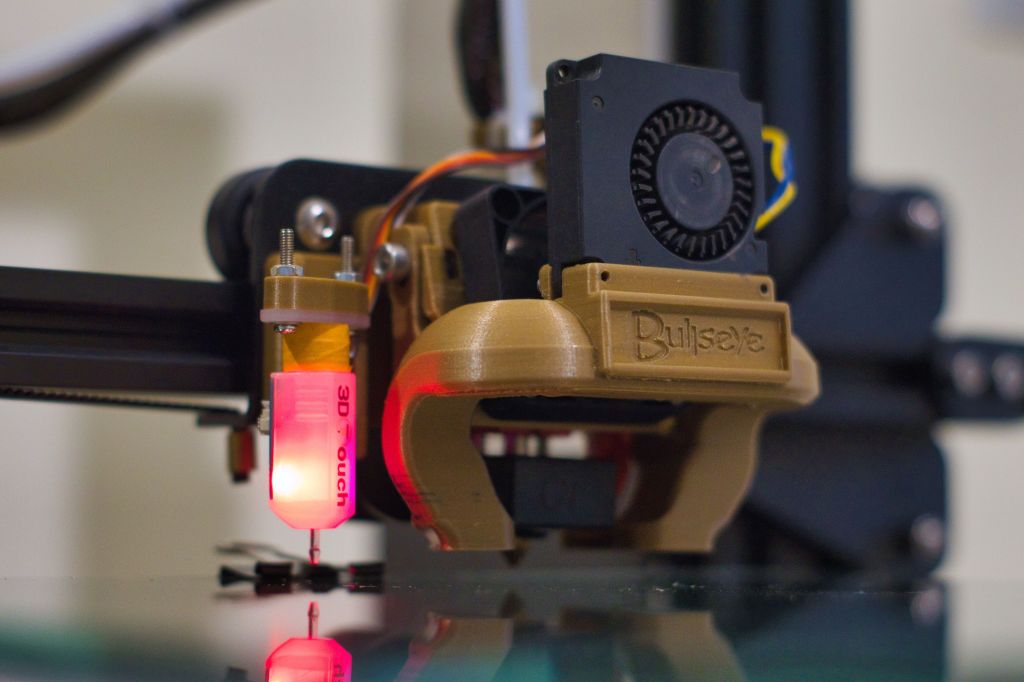
photo by Kuba Grzybek on Pexels

