COOL NEWS · EARTH WATCHING EARTH
Plants glow. The light is too faint for your eyes, but a new satellite is going to watch it from more than 500 miles above Earth.
The European Space Agency launched its FLEX satellite on September 15, 2026, aboard a Vega-C rocket from Europe’s Spaceport in French Guiana. FLEX is short for Fluorescence Explorer, and its job is wonderfully specific: measure the weak fluorescence produced by plants during photosynthesis.
That invisible signal can reveal how efficiently vegetation is turning sunlight and carbon dioxide into energy. If the mission works as planned, scientists will gain a new global view of plant health, ecosystem productivity, and environmental stress.
The planet has a pulse, and FLEX can see it
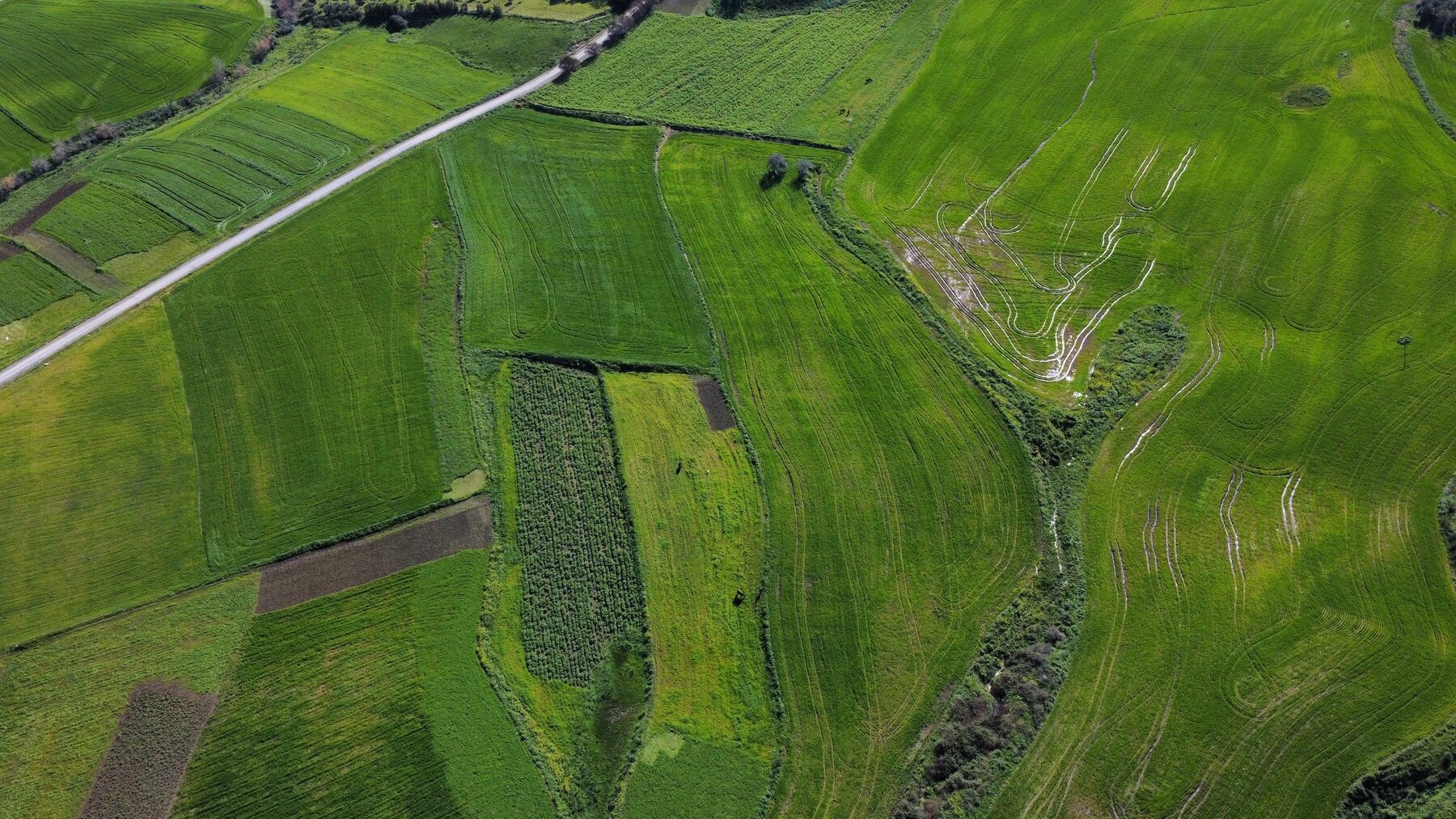
Traditional satellite images are excellent at showing where vegetation exists and how green it looks. FLEX is after something more revealing. Its Fluorescence Imaging Spectrometer, called FLORIS, is designed to detect light released by chlorophyll as plants process solar energy.
Think of it as the difference between looking at a factory from the street and seeing whether the machines inside are actually running. A field can still look green while drought, heat, or nutrient problems are beginning to reduce photosynthetic activity. Fluorescence measurements may help researchers spot those changes before the damage becomes obvious in a normal image.
This is not just a prettier picture of Earth
ESA says FLEX will create monthly global maps at a spatial resolution of 300 by 300 meters. The satellite is planned for a three-and-a-half-year mission after a three-month commissioning phase, long enough to observe at least three seasonal vegetation cycles in both hemispheres.
The science goes beyond identifying sick crops. Photosynthesis connects plant growth with the carbon and water cycles. Better measurements could improve estimates of how much carbon vegetation absorbs, how ecosystems respond to extreme conditions, and how plant productivity changes over time.
The clever part is not that FLEX can photograph plants. It can measure whether they are doing the job that makes them plants.
FLEX brought a partner
The same rocket also carried Copernicus Sentinel-3C, the third satellite in the Sentinel-3 series. Sentinel-3C will monitor oceans, land, ice, and atmosphere, including surface temperature, ocean color, sea and ice conditions, vegetation, and inland water levels.
The pairing matters. FLEX is designed to fly in tandem with a Sentinel-3 satellite, between 40 and 100 kilometers ahead of it. Sentinel-3 can supply information about clouds, aerosols, water vapor, surface temperature, and land cover near the time FLEX records fluorescence. Combining those observations should help scientists separate a plant signal from everything between the leaves and the satellite.
The cool part comes after the launch
Both spacecraft reached orbit and established contact with ground control, according to ESA. They are now in the launch and early orbit phase, when mission teams check the spacecraft and verify that their systems perform as intended. FLEX is not yet a finished scientific product. Commissioning comes first.
That caveat makes the story more interesting, not less. The hardware is in orbit, but the ambitious claim still has to be proven in real operations. If FLORIS can reliably pull an extremely faint biological signal out of sunlight reflected by Earth, FLEX will turn the quiet work of plants into something scientists can track on a planetary scale.
We have spent decades using satellites to see what Earth looks like. FLEX is built to ask what the living parts of Earth are doing.
Sources
- European Space Agency: FLEX and Sentinel-3C launch announcement
- European Space Agency: FLEX facts and figures
- European Space Agency: FLEX mission overview
- Space.com: independent launch report
Image credits
- Featured Image: aerial agricultural fields by sayari bechir via Pexels
- Satellite dish under blue sky by Jake Heinemann via Pexels
- Satellite dish at sunset by Alejandro De Roa via Pexels
- Pexels license, checked September 17, 2026

